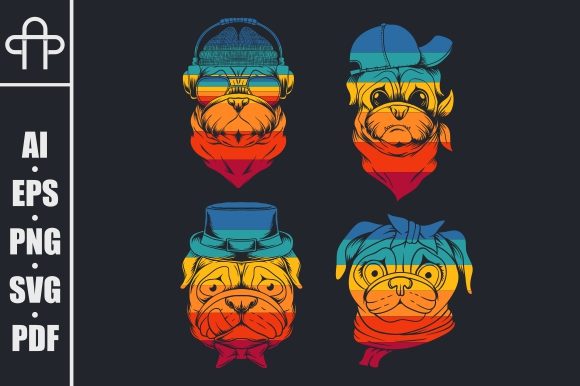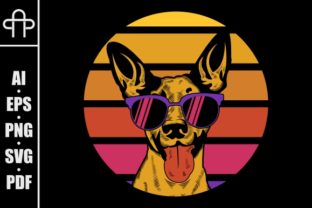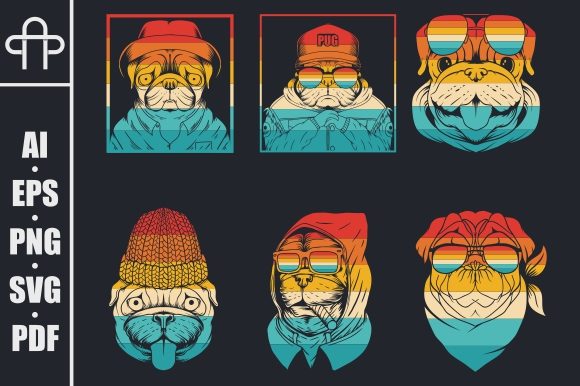
Pug Dog Collection Retro
As a designer who’s stitched pugs onto everything from baby onesies to boutique aprons over the past 12 years, I opened Pug Dog Collection Retro expecting charm—and got something more: a cohesive, intentional set that feels like it was drawn *for* embroidery, not just adapted for it. This isn’t a single motif—it’s six distinct retro-styled pug illustrations, each with clean outlines, balanced negative space, and that unmistakable mid-century warmth: rounded ears, slightly squinty eyes, expressive wrinkles, and playful posture. No frantic detail overload. No forced cuteness. Just confident, stylized dogs that land with personality—not clutter.
First Stitch, First Impression: What It Feels Like on Fabric
I tested one design—a seated pug in profile with a tilted bowtie—on a medium-weight cotton tote bag using standard tear-away stabilizer and 40-weight poly thread. The moment the needle dropped, I noticed how naturally the curves flowed. The satin stitch borders held crisp definition without puckering; the fill stitches settled evenly, not dense or muddy. That’s rare in retro animal graphics, where thick outlines often translate to heavy stitching or lost subtlety. Pug Dog Collection Retro avoids that trap. Its shapes are bold enough to read at 3–4 inches wide, yet refined enough to scale down to 2.5 inches for a cap front or baby bib without collapsing.
This collection belongs on things people *keep*: embroidered tea towels hung in kitchens, pillow covers tossed on sofas, sweatshirts worn through seasons. It doesn’t scream “trend”—it whispers “thoughtful.” That matters when you’re building a small shop identity or curating gifts for dog lovers who value craftsmanship over flash.
Where It Shines (and Where to Pause)
Pug Dog Collection Retro works exceptionally well for:
- Custom apparel: Sweatshirts, crewnecks, and relaxed-fit tees—especially on lighter or mid-tone fabrics where the retro palette (think mustard, olive, rust, cream) reads clearly.
- Embroidered patches: Each design has strong outer contours and minimal interior detail, making them ideal for sew-on or iron-on patches. I ran one through my Brother PR1055X as a standalone patch—clean edges, no thread nesting.
- Baby embroidery: Soft lines, no sharp points or tiny features that could snag—perfect for onesies, burp cloths, or nursery pillows. The gentle expression reads calm, not cartoonish.
- Holiday and gift embroidery: A pug wearing vintage-style antlers? A paw-print wreath? These designs layer beautifully into seasonal collections—no extra digitizing needed.
- Etsy listings and craft fair products: Buyers respond to recognizable style consistency. Having six coordinated variations lets you offer bundles (“Retro Pug Set of 6”) or rotate designs across your shop banner, mockups, and social posts without visual whiplash.
But—and this is where real-world testing matters—Pug Dog Collection Retro needs thoughtful placement on:
- Stretchy fabric: Knits like jersey or ribbed t-shirts require cut-away stabilizer and reduced top tension. The curved lines stay true, but loose fabric can blur those clean silhouettes if stabilized poorly.
- Textured surfaces: Towels, linen napkins, or bouclé blankets demand heavier stabilizer and possibly adjusted stitch density. I found the fill areas held up better than expected on waffle-weave kitchen towels—but always test first.
- Dark or black fabric: The retro aesthetic relies on contrast. On charcoal or navy, light thread (ecru, pale yellow, soft grey) reads beautifully—but avoid white thread unless you’re using underlay or topping. Check your PDF or PNG previews against dark backgrounds before stitching.
- Small hoop sizes (under 4”): All six files scale well, but the most detailed version—the pug holding a tiny retro microphone—loses nuance below 2.75”. Save that one for 5×7 hoops or larger projects like tote bags or pillow fronts.
Design Integrity Meets Business Reality
What makes Pug Dog Collection Retro valuable beyond aesthetics? Trust. When a customer orders a personalized embroidered sweatshirt with “Mabel the Pug” on the chest, they’re buying confidence—not just a dog graphic. They expect clarity, durability, and that handmade warmth. This collection delivers that. The consistent line weight, intentional spacing, and absence of micro-details mean fewer thread breaks, cleaner trims, and faster hooping. For Etsy sellers or small shop owners juggling 10 orders a week, that’s time and thread saved.
It also supports brand consistency. Whether you’re selling digital embroidery files or finished goods, Pug Dog Collection Retro gives you a signature look—retro, friendly, unhurried—that customers recognize across products. Pair it with a simple serif font for labels or tags, and you’ve got an instant mini-brand system.
Practical Designer Notes Before You Stitch
Before committing to a client project or bulk run:
- Test the design on scrap fabric matching your final substrate—same stabilizer, same thread, same machine settings.
- Review stitch density in your embroidery software. If fills feel too heavy for lightweight cotton, reduce density by 5–8%.
- Confirm hoop size compatibility—especially if using older machines or multi-needle setups.
- Inspect corners and tight curves at 200% zoom. Look for overlapping stitches or areas where satin borders might lift.
- Run black-and-white mockups. Does the shape hold up without color cues? (It does—these rely on form, not hue.)
- Check licensing: Since this falls under Illustrations and Graphics, verify whether commercial use—including finished embroidered products sold online—is permitted. File formats (AI, EPS, SVG, PNG, PDF) suggest flexibility, but rights aren’t implied.
- Use proper stabilizer for your fabric type—especially critical for caps, curved seams, or layered garments like hoodies.
Pug Dog Collection Retro isn’t just another machine embroidery design. It’s a quiet, confident tool—one that elevates a simple tote bag into a keepsake, turns a baby gift into a heirloom, and helps your craft business speak with unmistakable voice. It doesn’t shout. It winks. And in embroidery, that kind of restraint is rarer—and more valuable—than you’d think.